Kaliyuga is described in our scriptures as an age of confusion, materialism, conflict, and rapid decline in moral values. Yet, the same scriptures also teach that Kaliyuga is the easiest era for spiritual growth, because even small acts of goodness carry great spiritual weight.
This blog explains how one can practice Dharma in the modern age, in a practical, grounded, and balanced way.
1. What Is Kaliyuga According to Scriptures?
Kaliyuga is the fourth age in the cycle of time. It is marked by:
- Weakening of truth
- Dominance of ego and desire
- Increase in stress and conflict
- Decline in discipline and moral strength
- Fast-paced, distracted lifestyles
However, Kaliyuga also has a unique advantage:
The simplest spiritual efforts give the highest results.
Even a single sincere prayer, mantra, good deed, or act of kindness carries deep power.
This is why great saints call Kaliyuga “the age of bhakti.”
2. What Does Practicing Dharma Mean in Kaliyuga?
To practice Dharma today does not require rituals or renunciation. It simply means:
- Choosing truth over convenience
- Doing one’s responsibilities sincerely
- Controlling anger, greed, ego, and desires
- Being fair and compassionate in daily life
- Staying connected to one’s spiritual center
Dharma in Kaliyuga is more about inner integrity than external actions.
3. The Four Practical Pillars of Dharma in Today’s Life
A. Satya – Truthfulness in Thought and Action
Truth is the foundation of Dharma.
In Kaliyuga, truth becomes rare, so practicing it becomes powerful.
This includes:
- Being honest in work
- Keeping promises
- Avoiding manipulation
- Speaking responsibly
Even small truthfulness purifies the mind.
B. Ahimsa – Non-Violence in Behavior and Speech
Ahimsa means not hurting others through:
- Words
- Actions
- Intentions
In today’s world of stress and digital communication, controlling hurtful speech itself is a major spiritual practice.
C. Dama – Self-Control and Discipline
Kaliyuga is dominated by impulses.
Discipline becomes a powerful form of Dharma.
Practice includes:
- Limiting anger
- Avoiding addictions
- Controlling unnecessary desires
- Managing time and energy wisely
Self-control strengthens mental clarity and inner peace.
D. Seva – Service and Compassion
Serving others without expectation is considered the greatest Dharma of this age.
Simple ways:
- Helping someone in need
- Sharing knowledge
- Supporting family with love
- Donating food or essentials
- Offering time to good causes
Seva cleanses the heart and reduces ego.
4. The Role of Spirituality (Adhyatma) in Kaliyuga
Spirituality in this age should be simple and consistent.
Effective practices include:
1. Mantra Chanting
Scriptures say that in Kaliyuga, Naam Japa (chanting divine names) is the most powerful practice.
Examples include:
- Shree Ram Jay Ram Jay Jay Ram
- Samb Sadashiv
- Sitaram
- Narayan
- Hare Rama Hare Krishna
- Radhe Krishna
- Jai Siya Ram
- Ram Naam (राम नाम)
- Govind Radhe
- Jai Shree Krishna
- Jai Shree Ram
Even 5 minutes a day can transform inner energy.
2. Meditation
Short, daily meditation helps reduce stress and stabilizes emotions.
3. Satsang
Listening to saints, scriptures, and spiritual discourses keeps the mind aligned to Dharma.
4. Reading Spiritual Texts
Even a few pages of Gita, Ramcharitmanas, Bhagavatam, or Upanishads every day nourishes wisdom.
5. Maintaining Balance Between Material Life and Spiritual Growth
Kaliyuga is fast and demanding.
Most people struggle to balance family, work, and spirituality.
A balanced approach includes:
- Giving time to relationships
- Performing duties sincerely
- Keeping spiritual practices simple
- Prioritizing mental health
- Avoiding extreme lifestyles
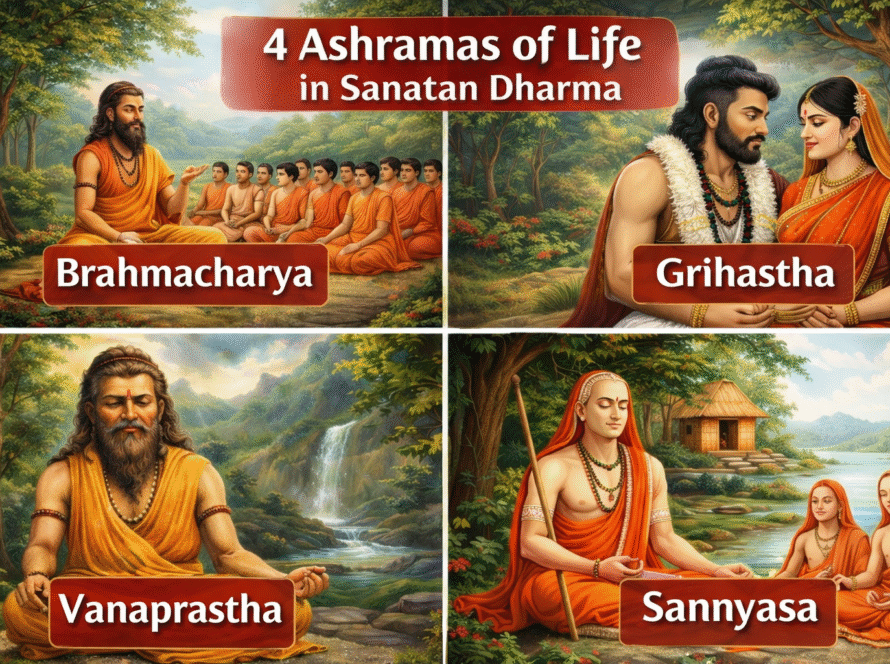
Sanatan Dharma teaches that household life (grihastha) itself can be spiritual when lived with integrity.
6. Common Obstacles in Kaliyuga and How to Overcome Them
1. Distraction
Use routines, reduce digital noise.
2. Stress & Overthinking
Practice breathing exercises and mantra japa.
3. Ego & Anger
Pause before reacting; choose empathy.
4. Desire for instant results
Dharma is a slow, steady path — small consistency matters more than big attempts.
7. Why Practicing Dharma in Kaliyuga Is So Powerful
Scriptures mention that:
- In Satyuga, severe penance gave fruits.
- In Treta, big rituals were needed.
- In Dwapara, devotion and discipline were essential.
- But in Kaliyuga, even small, sincere efforts lead to great spiritual upliftment.
A single good action shines brighter in an age of darkness.
8. Conclusion: Living Dharma in Today’s World
Practicing Dharma in Kaliyuga does not mean withdrawing from life.
It means living consciously, honestly, and compassionately—no matter the outer chaos.
By following simple principles—truth, self-control, kindness, responsibility, and devotion—anyone can live a spiritually fulfilling life.
Kaliyuga may be challenging, but it is also the age of fastest spiritual growth for sincere seekers.