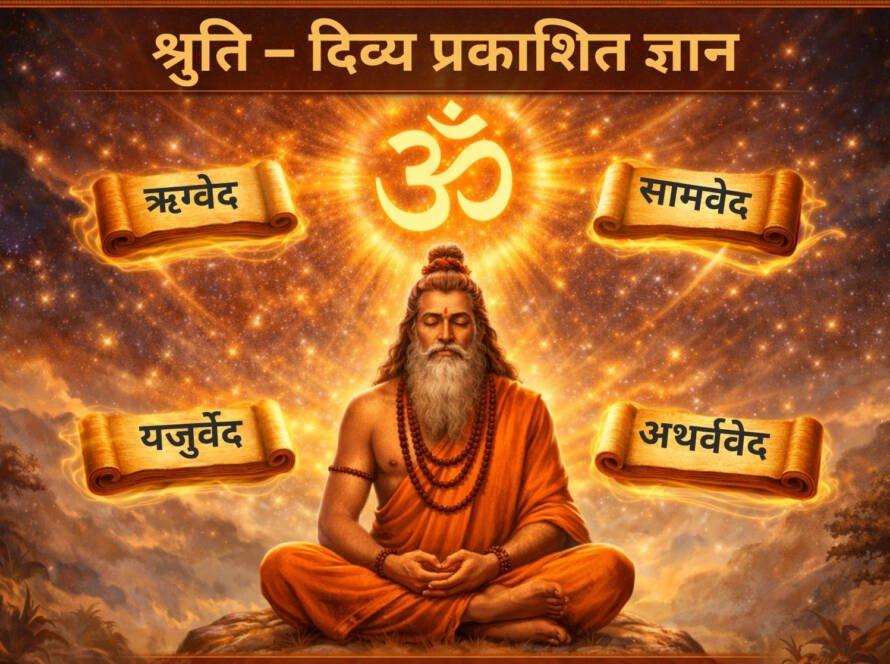
Chapter 1: The Vedas (Chaturveda)
- The Meaning of Śruti
In the grand architecture of Sanātana Dharma, the highest foundation is Śruti — “that which is heard.” Unlike authored literature, Śruti is not considered a product of human intellect. It is revelation — knowledge perceived by ancient seers (ṛṣis) in states of heightened awareness.
Śruti stands at the summit of scriptural authority because it is apauruṣeya — not composed by any person. The sages did not claim authorship; they were mantra-dṛṣṭāḥ, seers of eternal truth. The Vedas are therefore not inventions of civilization but discoveries of cosmic order.
At the heart of Śruti lie the Vedas, collectively called the Chaturveda — the Fourfold Vedic corpus.
- What Are the Vedas?
The word Veda derives from the Sanskrit root vid — “to know.” Thus, Veda means knowledge, but not ordinary knowledge. It refers to sacred knowledge concerning existence, consciousness, cosmic order, ritual, and liberation.
The Vedas are the oldest preserved layer of Sanātana Dharma. Traditionally transmitted orally for millennia, they were later compiled and systematized by Vedavyāsa, who arranged them into four divisions for preservation and teaching.
These four are:
- Ṛgveda
- Yajurveda
- Sāmaveda
- Atharvaveda
Each serves a distinct function within the spiritual and civilizational framework.
- Ṛgveda – The Hymns of Cosmic Order
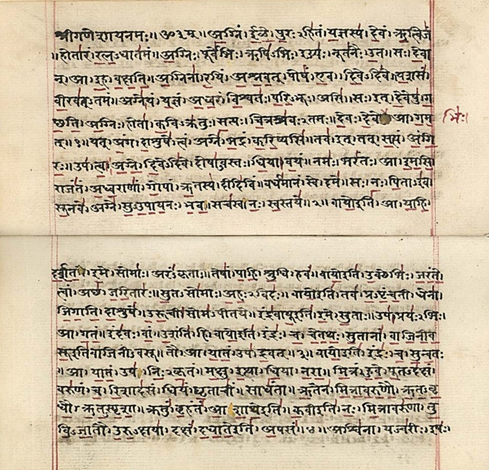

The Ṛgveda is the oldest of the four Vedas and consists of 1,028 hymns (sūktas). These hymns are addressed to various deities — Agni (fire), Indra (cosmic force), Varuṇa (cosmic order), Soma (divine elixir), and others.
However, these deities are not merely mythological personalities. They represent forces of nature and principles of consciousness. The Ṛgveda reveals the concept of Ṛta — the cosmic order that sustains the universe.
Themes include:
- Harmony between humanity and nature
- Sacred fire (Agni) as mediator
- Praise, invocation, and cosmic balance
- Early metaphysical questioning (Nasadiya Sukta)
The Ṛgveda lays the poetic and philosophical foundation of Vedic civilization.
- Yajurveda – The Science of Sacred Action
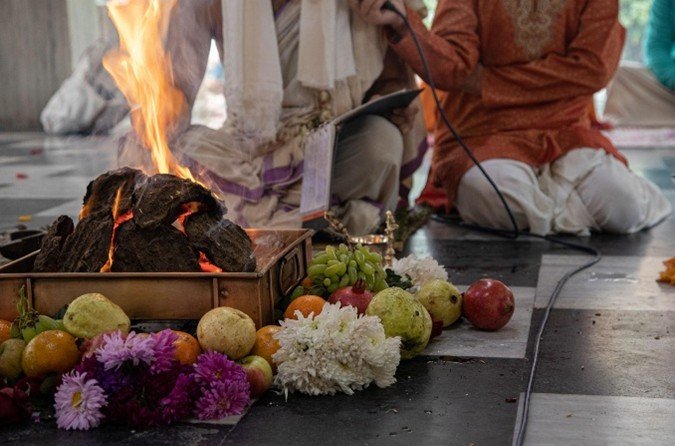

If the Ṛgveda provides hymns, the Yajurveda provides method.
The word yajus relates to sacrifice (yajña). This Veda contains prose formulas and instructions necessary to perform rituals correctly. It exists in two primary recensions:
- Śukla (White) Yajurveda
- Kṛṣṇa (Black) Yajurveda
The Yajurveda emphasizes:
- Ritual precision
- Sacred geometry
- Symbolic offerings
- Action aligned with cosmic law
It transforms devotion into disciplined action, integrating metaphysics with ritual practice.
- Sāmaveda – The Veda of Sacred Music
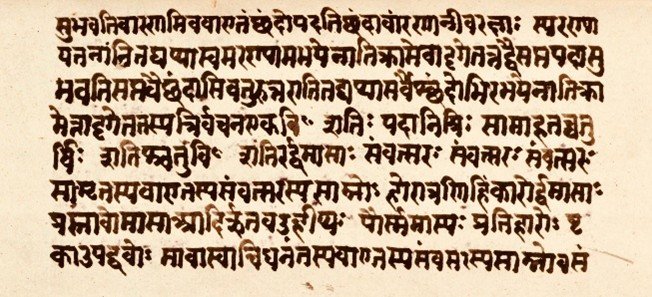
The Sāmaveda is often called the Veda of melodies. Most of its verses are derived from the Ṛgveda, yet their arrangement is musical rather than poetic.
Here, sound becomes sacred vibration.
Key aspects:
- Melodic chanting of mantras
- Foundation of Indian classical music
- Elevation of consciousness through sound
- Refinement of tonal science
The Sāmaveda demonstrates that in Sanātana Dharma, sound itself is transformative.
- Atharvaveda – The Veda of Life & Society
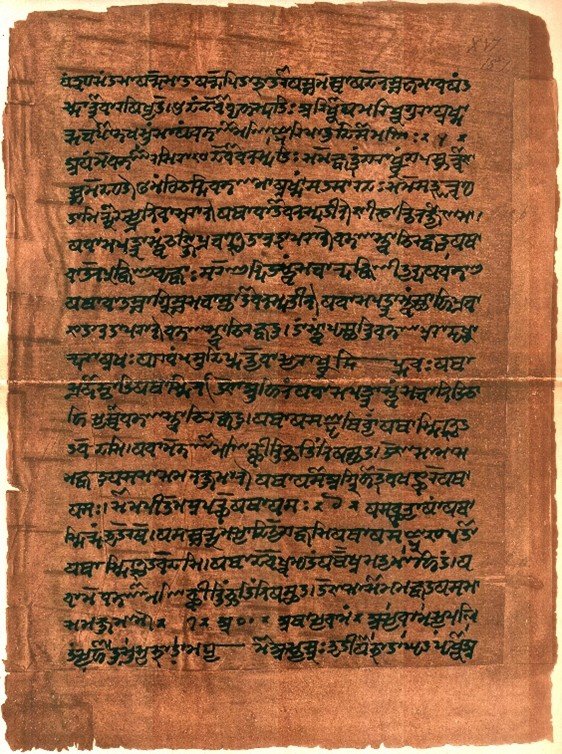
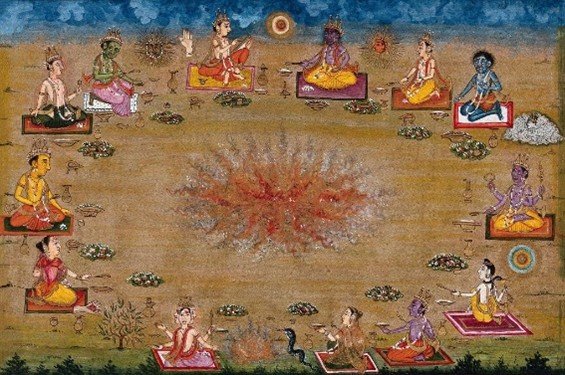
The Atharvaveda differs in tone from the others. It addresses daily life, healing, household rites, social harmony, and philosophical reflection.
Associated with the sages Atharva and Aṅgiras, it includes:
- Prayers for health and protection
- Early medical and herbal references
- Social and domestic rituals
- Speculative philosophical hymns
The Atharvaveda shows that Vedic knowledge is not confined to the altar — it permeates everyday existence.
- Structure Within Each Veda
Each Veda contains four internal layers:
- Saṁhitā – Hymns and mantras
- Brāhmaṇa – Ritual explanations
- Āraṇyaka – Forest contemplations
- Upaniṣad – Philosophical culmination
Thus, ritual gradually evolves into inquiry, and inquiry culminates in metaphysical realization.
- The Unity Behind the Four
Though divided into four, the Vedas represent a unified vision:
- Ṛgveda – Knowledge (Jñāna)
- Yajurveda – Action (Karma)
- Sāmaveda – Devotion (Bhāva/Nāda)
- Atharvaveda – Life application (Vyavahāra)
Together they form a complete civilizational blueprint — cosmic understanding, ritual alignment, musical elevation, and social application.
- Oral Preservation & Sacred Transmission
For centuries, the Vedas were transmitted orally with astonishing precision. Advanced recitation techniques ensured preservation without alteration.
This meticulous oral tradition reflects a fundamental belief:
Sound carries meaning, and alteration disturbs truth.
The continuity of Vedic recitation across millennia is one of humanity’s greatest intellectual achievements.
- The Vedas as Living Knowledge
The Vedas are not relics of the past. They form the basis of:
- Philosophical inquiry
- Ritual traditions
- Temple culture
- Yogic and meditative systems
- Ethical frameworks
They are not bound to a single era because they articulate principles rather than dogmas.
- Concluding Reflection
The Vedas stand as the revealed foundation of Sanātana Dharma. They are not merely texts but a reservoir of cosmic insight, perceived by seers and preserved by generations.
In them we find:
- The poetry of existence
- The science of sacred action
- The music of transcendence
- The wisdom of daily life
As the journey through Śruti unfolds in subsequent chapters, the Vedas remain the first doorway — the original revelation from which all later developments arise.